

Buying a house in the Netherlands, step by step
Buying a house in the Netherlands works differently from what many people are used to. The asking price is an invitation to bid rather than a fixed price. Bids are sealed and usually made once, and the amount is only part of it: your conditions and your preferred date of transfer can tip the balance. When the seller says yes, the contract follows within days.
What follows is the short version of what we explain at a first meeting. If any of it applies to your situation, give us a call and we will talk it through with you.
From the first viewing to your own front door key
What you are looking for
Together we define your wishes, your budget and your timing, and we make sure you hear about suitable houses as early as possible, sometimes before they are widely advertised.
Viewings
We go with you. We pay attention to what matters: the condition of the house, the surroundings, the light, the garden and the things a seller may not mention.
Checking before you bid
The title deed, the energy label, the floor area measurement, any owners association papers and, for older houses, the state of the foundations. For listed buildings we also look at what the heritage rules allow.
Your bid
We advise on the amount and on the conditions: a financing clause, a structural survey, the date of transfer and the deposit. Then we negotiate for you.
Contract and reflection period
The sale agreement is drawn up, usually on the standard model. Once you have received the signed agreement, the law gives you three days to change your mind without having to give a reason.
Deposit and transfer
Within a few weeks you pay a deposit of ten per cent or provide a bank guarantee. On the day of transfer we inspect the house with you, the notary registers the transfer and the keys are yours.
The costs on top of the purchase price
Nearly every house is sold kosten koper, meaning the buyer pays the transfer tax and the notary's fees. As a rule of thumb, allow roughly four to six per cent of the purchase price, depending on which rate of transfer tax applies to you.
Rates checked in September 2026. Tax rules change, so always confirm with your adviser
What people wish they had known sooner
How far above the asking price should I go?
There is no fixed rule, and a percentage from anyone is a guess. What counts is what similar houses nearby have actually sold for recently, which we look up before you bid. A popular house may go well over the asking price. One that has been on the market for a while may go below it.
What does it mean to buy a listed building?
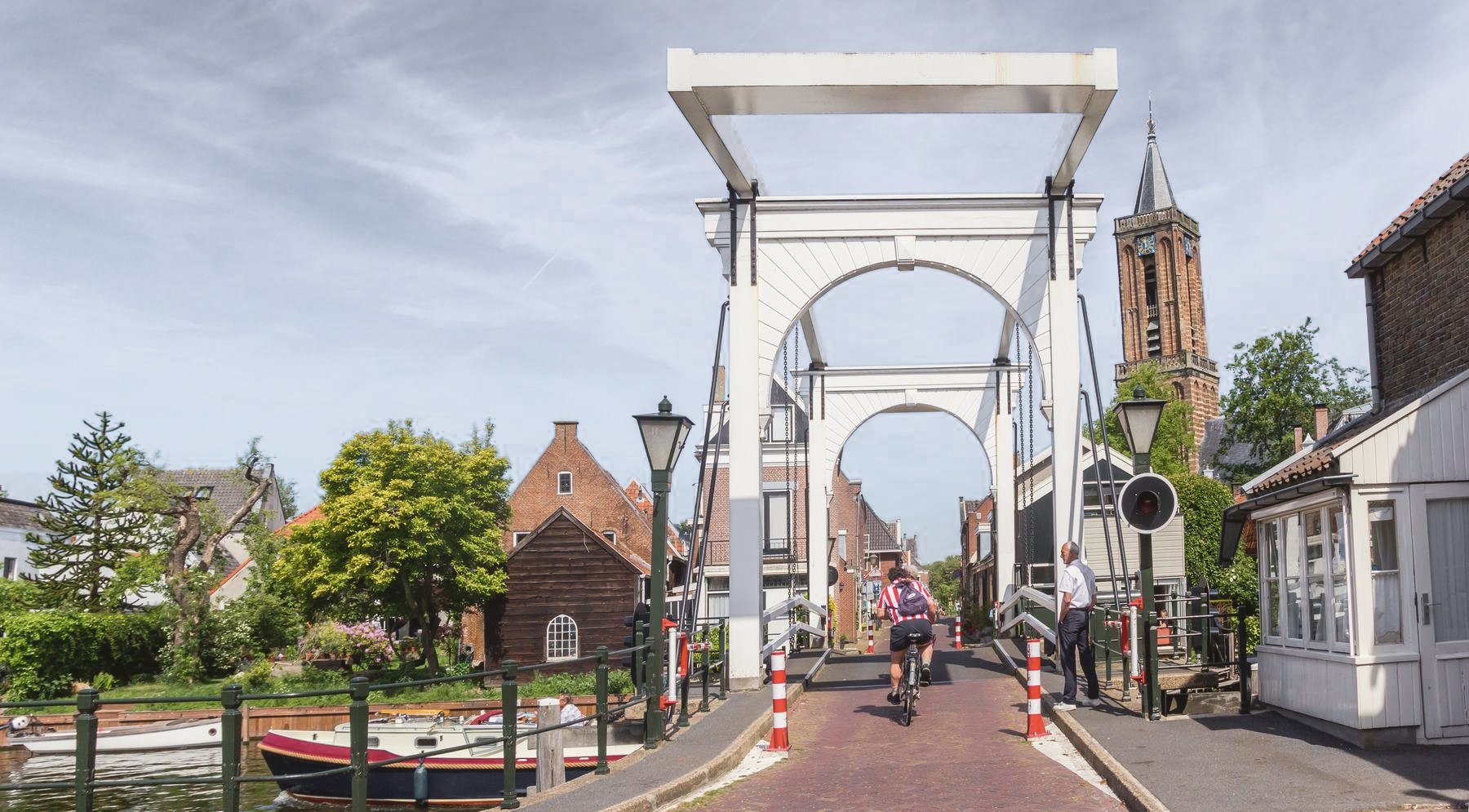
Along the Vecht you will find many listed buildings and protected village views. They are wonderful places to live, but changes to the exterior and sometimes the interior need a permit, and maintenance asks for care. We look into this before you bid and can arrange an inspection by a specialist in historic buildings.
Can I get a mortgage if I am not Dutch?
In most cases, yes, if you live and work in the Netherlands. Lenders look at your residence status, your employment contract and your income, not your nationality. Our partner HONK Hypotheekadvies advises in English, so your financing and your bid can be planned together.
Does the expat tax scheme affect my budget?
It can, because it raises your net income and with it what you can borrow. The allowance is thirty per cent of salary in 2026 and twenty seven per cent from 2027, with higher salary thresholds from then on. Ask your employer or tax adviser what applies to you before setting a budget.
Can I live permanently in a house by the lakes?
Not always. Around the Loosdrecht and Vinkeveen lakes some houses are designated for recreational use only. We check the zoning plan and any permits before you bid, as well as what comes with a jetty or mooring.
Do I really need a buying agent?
It is not required. But the seller has an agent whose job is to get the best price from you. A buying agent balances that, checks the paperwork and conducts the negotiation, for a fee agreed at the start.